
What Are the Safest Neighborhoods in Grand Forks, ND?
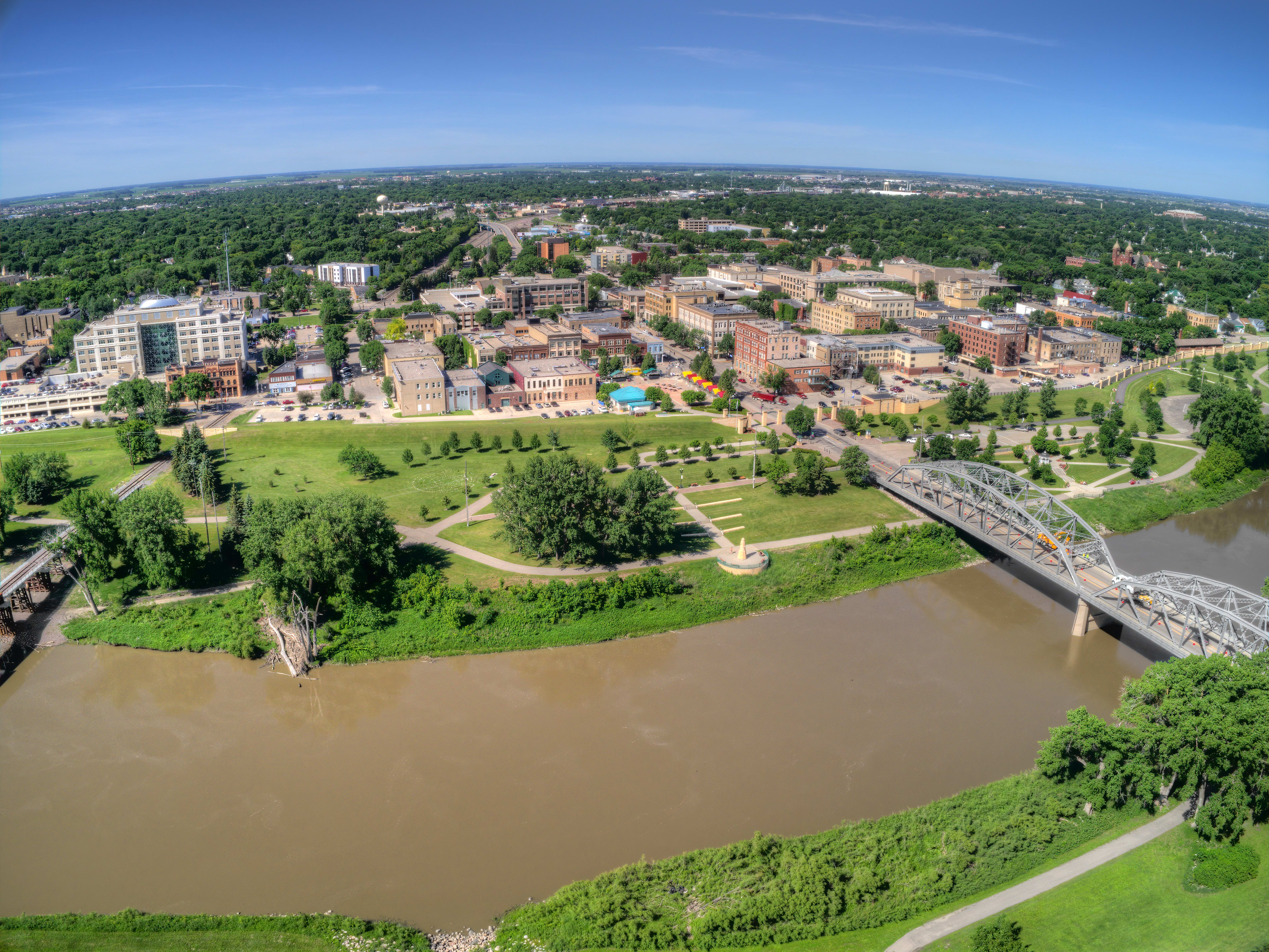
Grand Forks is a low-crime city overall, but safety still varies by area. Local crime-mapping data consistently points to the southeast and south side of Grand Forks as having the lowest per-capita crime rates, while the north end of the city sees the fewest raw incident counts each year. If safety is your top priority, south and southeast Grand Forks — along with newer developments near the edges of town — are generally your strongest starting points.
What the Data Shows
Grand Forks' overall crime rate runs close to the national average, with violent crime notably below the national rate and property crime somewhat above it — which tracks with a college town that sees seasonal shifts in population. Within the city, crime-mapping sources like CrimeGrade.org show a real spread by neighborhood: your odds of being a victim of any crime can range from roughly 1 in 14 in some northeast pockets to as low as 1 in 39 in parts of the southeast, and violent crime odds show a similar gap. In terms of sheer number of incidents, the south side logs more total crimes per year than the north side simply because it's more densely built out and has more commercial activity — but per capita, several south and southeast residential neighborhoods still rank among the safest in the city.
The takeaway: don't rely on "north vs. south" as a blanket rule. Crime data is neighborhood-specific, and a quiet cul-de-sac two blocks from a busier commercial strip can look very different from the strip itself.
Neighborhoods Buyers Ask About Most
A few areas come up again and again when buyers tell me they want a safe, established neighborhood:
South Grand Forks, including the pockets around Belmont and King's Walk, is popular with families for its newer housing stock, proximity to parks, and distance from downtown's nightlife corridor. Southeast Grand Forks, near the golf courses and newer subdivisions toward the edge of town, tends to post some of the lowest crime numbers in the city and has seen steady new construction in recent years. On the other end, established neighborhoods near Lincoln Park and the Riverside area offer mature trees and more affordable, older homes, with safety that's generally solid but worth walking or driving through at different times of day before you commit.
If you're relocating for Grand Forks AFB or UND, keep in mind that neighborhoods closest to downtown and the university naturally see more foot traffic, noise, and property crime (think bikes and unlocked cars) simply due to density and nightlife — that's not unique to Grand Forks, but it's worth factoring in if quiet matters more to you than walkability.
How to Vet Safety Before You Buy
Crime data is a good starting point, but it's not the whole picture. I always encourage buyers to do three things before falling in love with a house: pull up the specific address on a crime-mapping tool rather than relying on citywide averages, drive the neighborhood at a couple of different times (weekday evening and weekend), and ask about the elementary school boundary if you have kids — school zone and neighborhood safety tend to move together in Grand Forks. It's also smart to check whether a property sits near a park, trail, or commercial corridor, since those amenities are great for lifestyle but can slightly shift crime patterns nearby.
Let's Find the Right Neighborhood for You
Safety looks different for every buyer — a young couple, a military family relocating to Grand Forks AFB, and a retiree downsizing all weigh it differently. I work with buyers across Grand Forks, East Grand Forks, Thompson, and Manvel, and I can walk you through real, current data for any specific address or neighborhood you're considering, not just citywide averages. As a Realtor with Crary Real Estate, I have local market knowledge to help you find a home that fits both your safety priorities and your budget.
Contact me today, or visit www.soldbyleahbjur.com to start your search.
Leah Bjur, REALTOR® | MRP Crary Real Estate 701-317-0439